Yes. Insurance for a single day is available.

RENTING A CAR AND DRIVING IN FRANCE
PUBLISHED ON Jan, 20 2023

While France may be known around the world for having one of the best railway systems, it is also known for its great road network and also well-connected road system which is always great for exploring the country. There are quite a lot of rules and regulations regarding driving a car in France. Failure to adhere to these rules usually come with an attached fine which can sometimes be as high 135 euro. Some of these rules include;
- In France, it is against traffic laws for drivers to use the horn when driving in villages or rural areas. The only exception accepted by traffic marshals is only of the driver can provide clear evidence of being under attack or in an emergency such as transporting an accident or pregnant woman in labour to the hospital.
- In France, there are several types of roads ranging from Highway/Motorways which are usually marked as A with a blue sign, National Highways which are usually marked with a green colour N, and also Departmental routes. It is a conventional practice for road users to pay a toll when driving on motorways.
- It is also a general rule for drivers and all car occupants to wear a seat belt both front and back seat occupants. Drivers and Cars should always have their safety jacket or warning triangle with them at all time. Failure to produce this usually warrant a fine of around 135 euro for each respectively.
- Visitors are expected to present a driver’s license. While it is advisable to prepare an international driving permit which can be presented as a translation of your license. For US citizen who is staying for less than 90 days, France traffic laws accept US driver’s license while for those staying beyond 90 days, US driver’s license is only accepted for the first year of stay only.
- The accepted age for driving a car is 18 years, and a proof of driver’s license usually referred to as permits de conduire, proof of insurance, identification license, insurance certification, and vehicles registration are usually some of the required documents needed to drive a car in France.
While there are quite a lot of car owner in France, the number of the people renting or hiring a car in France is quite on the higher figures. This is majorly because France is both a top tourist destination in the world and also an economic hub in the world with millions of visitors trooping in every month for different purposes. In France, the accepted age of an individual can hire a car is usually 21, but this usually does not happen until 25 because of the complexities associated with car rental insurance in France and the cost. There are quite a lot of car rental outfits. It is of great importance for car hirer to seek for a car hire excess insurance when renting a car during the period of their stay in France. Car hire excess is an optional insurance policy by an insurance company which gives car hirers protection against excess charges that they might incur should a rented car be stolen or damaged. While car hire agreements typically offer some level of insurance for your rental, purchasing an excess cover with a reputable insurance company could give you better peace of mind.
Unlike other places in the world, when individuals rent a car in France, it is expected of car drivers to carry an unlimited third party insurance with them, and this is usually included in the fees charged by car rentals. Applying or having an insurance exempt you from various damages during the period of using your rentals. Also, in France, fire insurance is also charged on car rentals. If you already have travel insurance, you are not required to purchase personal effects or personal accident insurance. In France, most rental companies do not accept a debit card. They usually require a credit card, and intending car hirers must have held a recognised and valid driving license for about 365 days. It is advisable that when intending to hire a car, it is of great importance to check if the car has a breathalyser, safety jacket, additional set of bulbs and a warning triangle. When trying to hire a car, some car rental outfits may try to scare you into purchasing an additional Collision Damage Waiver (CDW) which they usually sell for 20 pounds per day for this type of cover. It is advisable to purchase your own CDW which you can get for as low as 2 pounds per day. For people who hire cars a lot throughout the year, it is more economical to purchase an annual policy. Note, it is essential to always have your driving license or permit with you always and also always try to check the car for any damage before renting.
Travel Tips and Guides
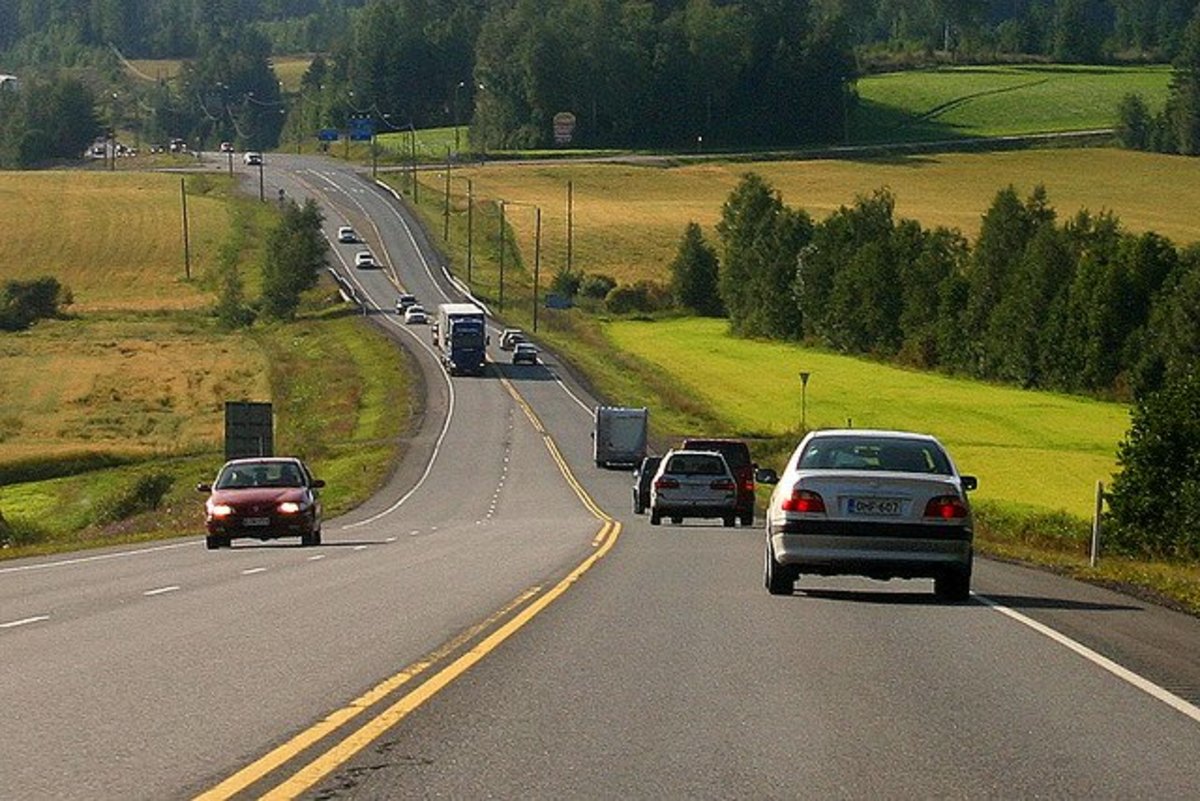
Worldwide Drive: Explore Right-Hand Traffic Countries and How to Adjust to Driving on the Right
Gil Farkash
Verified writer
Read More
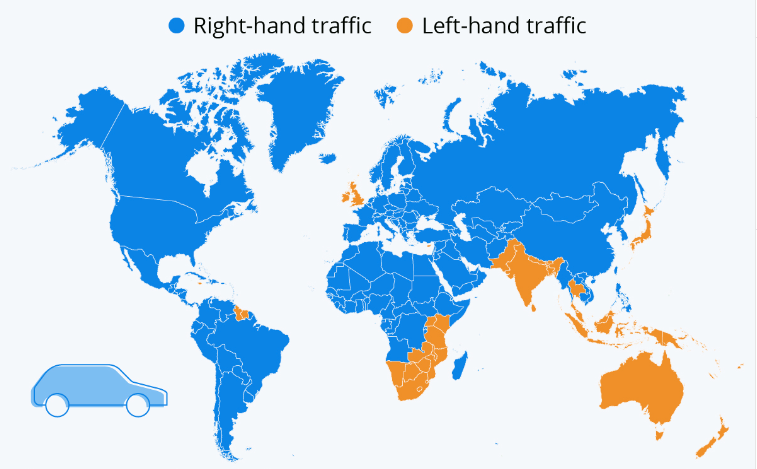
Countries That Drive on the Left: Find Out Which Countries Drive on the Left Side of the Road
Gil Farkash
Verified writer
Read More
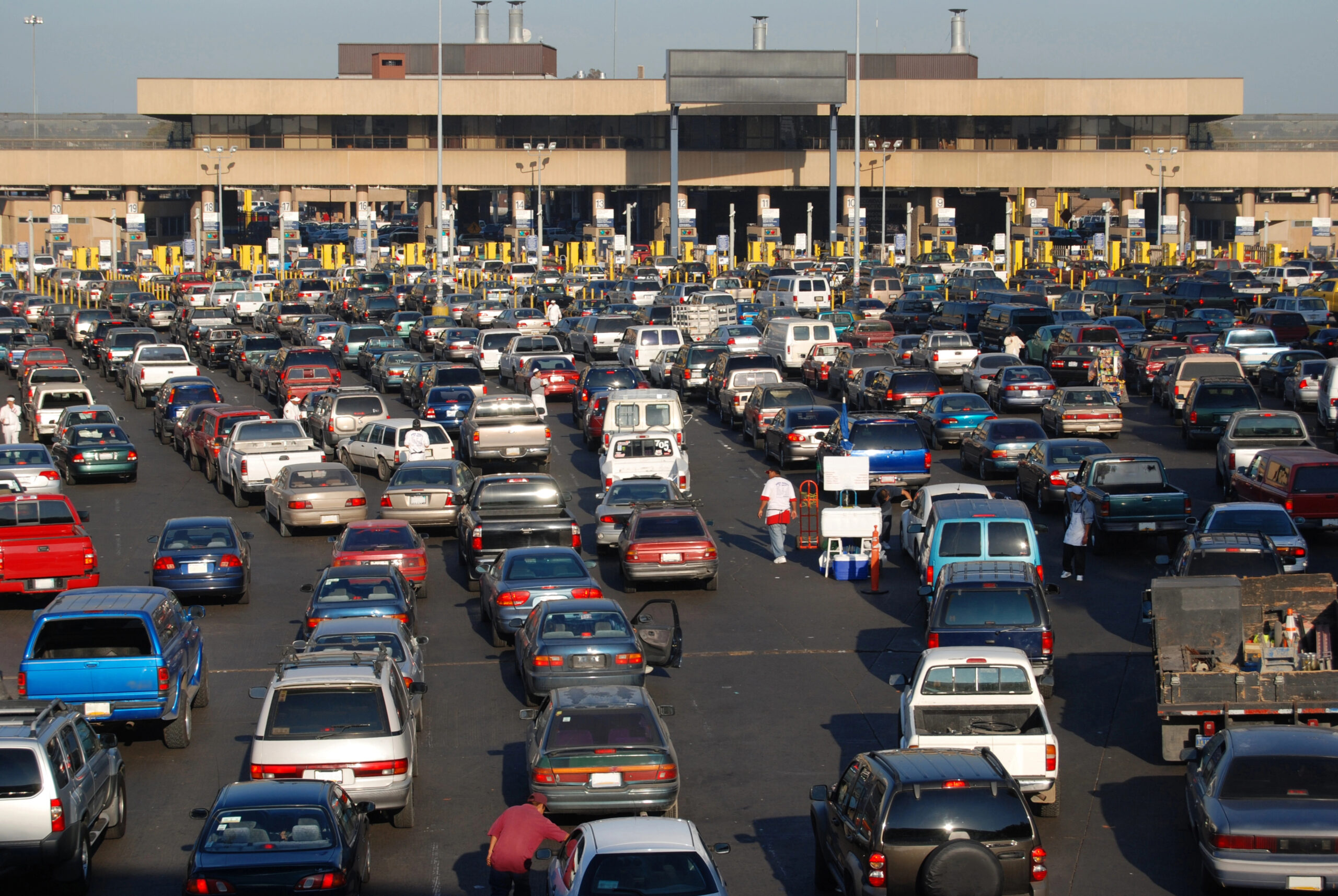
Driving in Mexico: Rules, Tips & Requirements
Gil Farkash
Verified writer
Read More
Frequently Asked Questions (FAQ)
Can I buy a plan for just one day?
Can I buy a plan for part of my rental only?
No. We provide a single journey plan. You are covered from the time you pick up the rental car up to the time you return it or on the last date written on your Certificate of Insurance, whichever comes first.
Can I buy a plan when I pick up my rental car?
No. You should purchase a policy before starting your travel.
Find the answers you’re looking for to the most frequently asked car hire insurance questions as well as other questions relating to our products and services.
