Yes. Insurance for a single day is available.

Travel Essentials Unveiled: Your Ultimate Guide to Travel Must-Haves for Seamless Journeys
PUBLISHED ON May, 14 2023
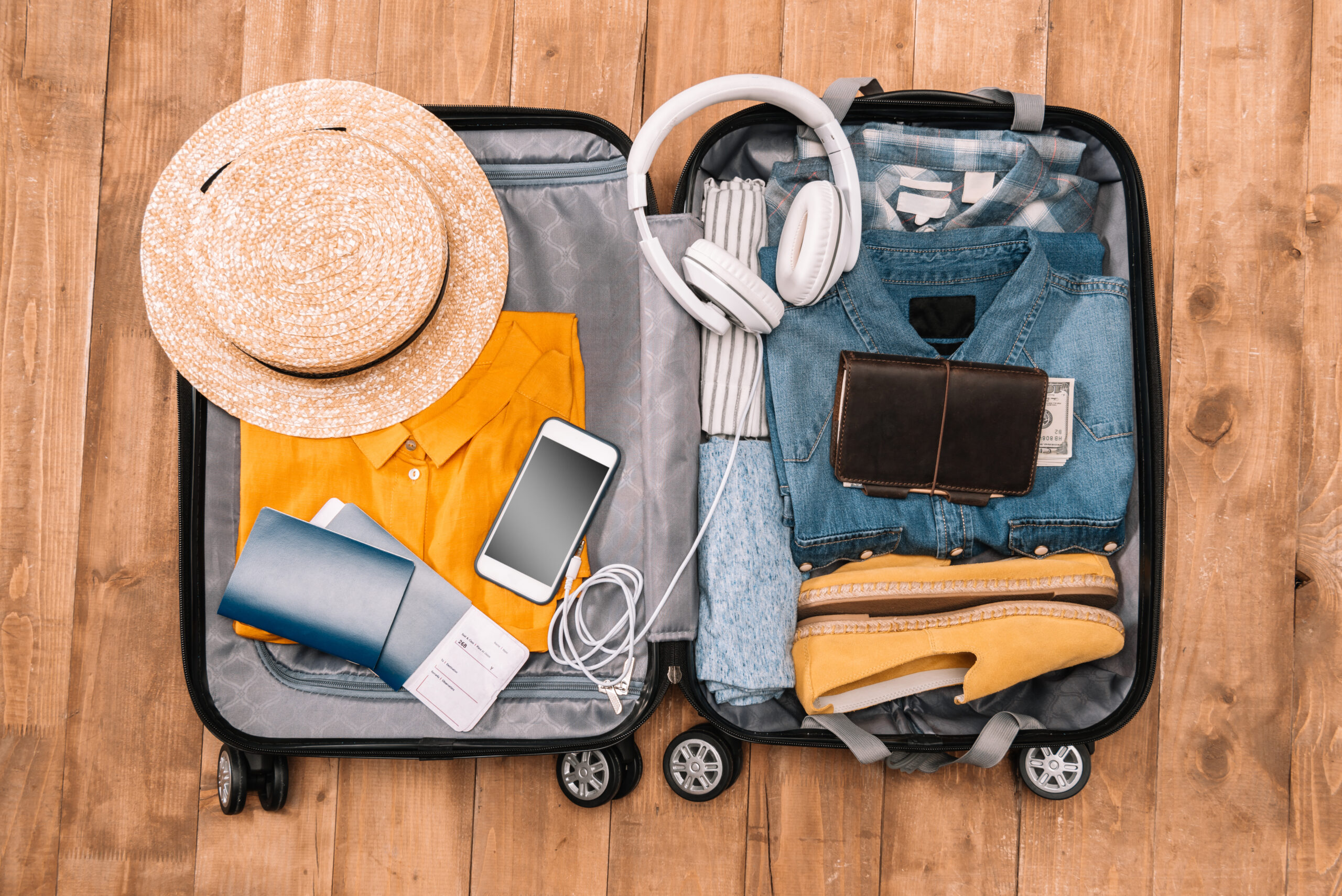
Embarking on a journey, whether it’s a weekend getaway or an epic adventure, is an exhilarating experience. However, ensuring a smooth and enjoyable trip requires careful planning and, most importantly, having the right travel essentials at your fingertips. From the necessary travel documents to the comfort items that make your journey more pleasant, these must-haves can greatly enhance your travel experience. In this comprehensive guide, we unveil a curated list of travel essentials that every globetrotter needs in their arsenal. Get ready to discover the crucial items that will make your travels hassle-free, convenient, and unforgettable. Whether you’re a seasoned traveler or venturing on your first trip, this article will equip you with the knowledge to pack smartly and embark on your next adventure fully prepared. So, buckle up and let’s explore the travel must-haves that will ensure seamless journeys and unforgettable memories.
Packing Essentials for Every Traveler
Travel documents and identification
When it comes to travel, one of the most critical things you must have in order is your travel documents and identification. These essential items are the gateway to hassle-free travel and ensuring you can navigate through airports, border crossings, and accommodations smoothly. Here are the key travel documents and identification you should always have on hand:
Passport:
Your passport is your primary identification when traveling internationally. Ensure that it is valid for at least six months beyond your planned return date. Make copies of your passport and keep them separate from the original. Use passport cover – Passport covers provide an extra layer of protection for your passport. They help shield your passport from wear and tear, accidental spills, and minor damages that can occur during your travels. The cover acts as a barrier, keeping your passport safe from scratches, creases, and moisture. Passport covers come in various colors, designs, and materials, allowing you to personalize and distinguish your passport from others. Some passport covers offer built-in RFID-blocking technology, which helps protect your passport from unauthorized scanning or identity theft. RFID-blocking passport covers prevent criminals from skimming your passport’s embedded microchip, ensuring the safety of your personal information. While passport covers offer these benefits, it’s important to note that not all countries accept passports with covers during immigration checks. Therefore, always check the requirements of your destination country and remove the cover if necessary.
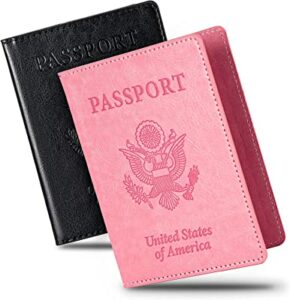
Passport Cover
Travel wallet or money belt:
Utilize a secure travel wallet or money belt to keep your money, cards, and important documents safe. These specially designed accessories offer additional security against pickpocketing or accidental loss. Keep a separate stash of emergency cash in a secure location, such as a hidden compartment in your bag or a discreet pocket. This backup money can be used in case of unexpected situations, like lost or stolen cards.
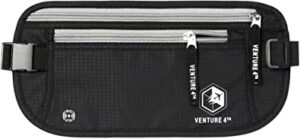
Money Belt
Medical necessities –
Use medical travel bag to pack an adequate supply of any prescription medications you require, ensuring that you have enough to last throughout your trip. Carry them in their original packaging, along with a copy of the prescription. Include a basic first aid kit with essential over-the-counter medications such as pain relievers, antacids, antihistamines, and any specific medications you typically use for minor ailments.
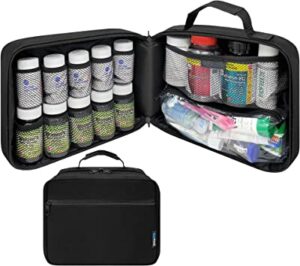
Medical Travel Bag
In conclusion, passport covers provide protection, personalization, organization, security, durability, and style. Consider investing in a quality passport cover that suits your needs and preferences, adding both practicality and aesthetic appeal to your travel documents.
Electronic Devices
Electronic devices and chargers –
In today’s digital age, electronic devices play a vital role in our travel experiences. From staying connected with loved ones to capturing memorable moments, having the right electronic devices and chargers is essential. Your smartphone is a versatile tool that serves multiple purposes during your travels. It allows you to communicate, navigate, access travel apps, capture photos, and stay connected to the internet. Make sure your smartphone is fully charged before your trip and consider bringing a portable power bank for on-the-go charging. A portable power bank is invaluable for charging your devices on the go, especially when you’re away from electrical outlets for extended periods. Look for a power bank with sufficient capacity to charge your devices multiple times and ensure it is fully charged before your trip. If you need to work or prefer a larger screen for entertainment, consider bringing a laptop or tablet. These devices are useful for staying productive, watching movies, reading e-books, and organizing travel-related documents. Depending on your destination, you may need travel adapters to plug your electronic devices into local power outlets. Research the specific plug types used at your destination and pack the appropriate adapters. Additionally, don’t forget to pack the chargers for all your electronic devices, including any specialized charging cables they require.
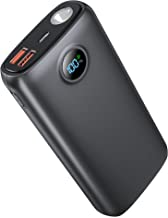
Portable power bank
Noise-cancelling headphones or earplugs –
Whether you’re traveling by plane, train, or staying in bustling accommodations, unwanted noise can be a significant distraction and hinder your ability to rest or enjoy your journey. Noise-cancelling headphones or earplugs are essential travel companions that help create a peaceful environment. Consider the following points when choosing noise-cancelling headphones or earplugs:
Noise-cancelling headphones: Opt for headphones with active noise cancellation technology. These headphones use built-in microphones to detect and counteract ambient noise, providing a more immersive and peaceful listening experience. Choose headphones that offer excellent sound quality, allowing you to enjoy music, movies, or podcasts with clarity and depth. Consider headphones with padded ear cups and an adjustable headband for a comfortable fit, especially during long periods of use. Look for lightweight options to minimize discomfort or pressure on your ears. Decide whether you prefer wired or wireless headphones. Wireless options provide greater convenience and freedom of movement, but remember to pack an extra charging cable or ensure the headphones are fully charged before your trip.
Earplugs: Look for earplugs with a high Noise reduction rating (NRR), indicating their ability to block out noise effectively. The higher the NRR, the greater the noise reduction. Choose earplugs made of soft, hypoallergenic materials that offer a comfortable fit. Consider earplugs designed specifically for travel, as they may have features like tapered ends for easier insertion. Decide whether you prefer disposable or reusable earplugs. Disposable earplugs are convenient and hygienic, while reusable ones can be washed and reused multiple times.
Consider the portability of your chosen noise-cancelling solution. Look for foldable headphones or a compact carrying case for easy storage and transportation. For earplugs, select a travel-sized container or a small pouch to keep them clean and readily accessible.
By packing noise-cancelling headphones or earplugs, you can create a serene environment, block out unwanted noise, and enjoy a more relaxing travel experience. Choose the option that best suits your needs, preferences, and budget to enhance your journey’s tranquility and make the most of your travel moments.
Remember to pack your electronic devices and chargers in your carry-on bag, as fragile or valuable items are safer when kept with you. Consider using a dedicated electronics organizer or bag to keep all your cables, adapters, and devices neatly organized and easily accessible during your travels. By having your electronic essentials in order, you can stay connected, entertained, and capture unforgettable moments throughout your journey.
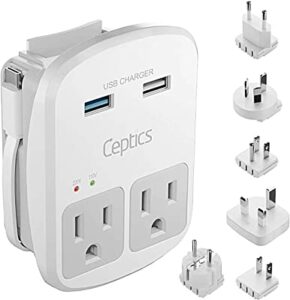
Travel adapters
Comfort and Convenience On-The-Go
Luggage and travel bags
Choosing the right luggage and travel bags is crucial for a smooth and organized travel experience. Consider the following key factors when selecting your luggage and travel bags:
Suitcase or travel backpack:
Decide whether a suitcase or a travel backpack suits your travel style and needs. Suitcases provide ample space, ease of maneuverability, and often come with wheels for convenient transport. Travel backpacks offer versatility, especially for those planning to explore multiple destinations or travel on uneven terrain. Check the size and weight restrictions imposed by your airline or transportation provider to ensure your luggage complies with their requirements. Be mindful of both checked baggage and carry-on limits to avoid additional fees or the need for last-minute repacking. Invest in luggage that is durable and can withstand the rigors of travel. Look for high-quality materials, reinforced corners, sturdy zippers, and reliable handles or straps. Good-quality luggage is more likely to last longer and protect your belongings. Choose luggage or travel bags with smart organization features such as compartments, pockets, and dividers. These help keep your items neatly separated, making it easier to find what you need without rummaging through your entire bag. If you prefer added security, consider luggage with built-in TSA-approved locks. These locks allow Transportation Security Administration (TSA) agents to inspect your luggage without damaging the lock or bag. If you anticipate bringing back souvenirs or need extra space, consider lightweight and collapsible luggage or travel bags that can expand or fold easily. This flexibility allows you to adapt to changing travel needs. In addition to your main luggage, pack a versatile carry-on bag or daypack. This smaller bag is ideal for carrying essentials during transit or day trips, keeping your valuables, travel documents, and personal items within easy reach.
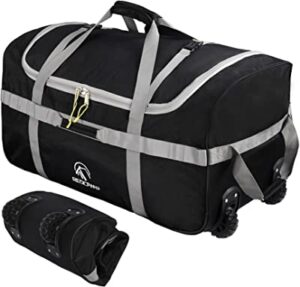
Collapsible luggage
Luggage accessories:
Enhance your luggage organization and security with additional accessories such as packing cubes, compression bags, luggage straps, or luggage tags. These small additions can greatly assist in efficient packing and identification of your bags.
Travel pillow and blanket –
Traveling often involves long flights, train rides, or road trips where comfort and rest become essential. Having a travel pillow and blanket can greatly enhance your comfort and help you get some much-needed rest during your journey. Consider the following points when selecting a travel pillow and blanket:
- Travel pillow: Look for a travel pillow that provides adequate support for your neck and head, as these areas can become strained during long periods of sitting or sleeping in an upright position. Opt for a pillow made of soft, hypoallergenic, and breathable material to maximize comfort. Memory foam, inflatable, or microbead pillows are popular choices for travel. Choose a travel pillow that is lightweight and compact, making it easy to carry in your carry-on bag or attach to your luggage. Look for pillows that can be compressed or folded for convenient storage. Some travel pillows offer adjustable features, such as toggle closures or adjustable straps, allowing you to customize the fit and support according to your preferences.
- Travel blanket: Select a travel blanket that provides adequate warmth and insulation during your journey. Consider the destination’s climate and the temperature variations you may encounter during transit. Opt for a blanket made of soft, lightweight, and cozy materials, such as fleece or microfiber. These materials provide warmth without adding unnecessary bulk or weight to your luggage. Size and portability: Look for blankets that can be folded or rolled into a compact size, making them easy to pack and carry. Consider blankets that come with a carrying pouch or strap for added convenience. Versatility: Choose a travel blanket that can also serve as a wrap or shawl, providing additional functionality and versatility during your journey.
- Hygiene and maintenance: Ensure that your travel pillow and blanket are easy to clean and maintain. Look for pillows and blankets that are machine washable or come with removable and washable covers.
Investing in a comfortable travel pillow and blanket can greatly enhance your travel experience, providing much-needed comfort and rest during long trips. Consider your personal preferences, travel needs, and space constraints when selecting the right travel pillow and blanket for your journeys. With these essentials, you’ll be well-equipped to relax and enjoy a comfortable journey wherever your adventures take you.
Prioritize functionality, durability, and convenience when choosing your luggage and travel bags. Test the maneuverability and weight distribution before your trip to ensure they meet your comfort and handling preferences. By investing in reliable and well-suited luggage, you can streamline your travel experience and focus on enjoying your journey.
Travel-sized laundry supplies
Staying fresh and clean while traveling can be a challenge, especially during longer trips. Packing travel-sized laundry supplies can help you maintain hygiene and extend the usability of your clothing. Consider the following items when including travel-sized laundry supplies in your packing list:
- Laundry detergent: Look for travel-sized containers or individual detergent packets specifically designed for hand-washing or machine washing clothes. Choose a detergent that is suitable for the fabric types you’ll be washing and is easy to rinse out.
- Stain remover: Accidents happen, and having a travel-sized stain remover can help you quickly treat stains on clothing. Opt for stain remover pens or wipes that are compact and easy to use on the go.
- Sink stopper or travel laundry bag: If you plan on hand-washing your clothes in a sink, a sink stopper travel laundry or a travel laundry bag with a built-in sink feature can be helpful. These items allow you to fill the sink with water for washing without worrying about finding a sink stopper at your accommodation.
- Travel-sized fabric freshener: Refresh your clothing between washes with a travel-sized fabric freshener or deodorizer. This can help eliminate odors and keep your clothes smelling pleasant, especially when access to laundry facilities is limited.
- Ziplock bags or wet/dry bags: Carry a few ziplock bags or wet/dry bags for storing wet or soiled clothes until you can wash or dry them properly. These bags prevent any moisture or odors from transferring to your clean clothes or other belongings.
- Travel-sized sewing kit: A compact sewing kit can come in handy for minor repairs or adjustments to your clothing. Look for a travel-sized sewing kit that includes a variety of threads, needles, buttons, and small scissors.
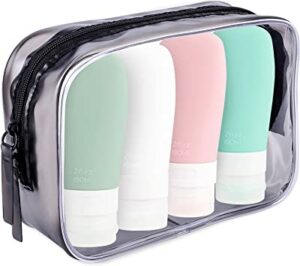
Travel-sized containers
By packing travel-sized laundry supplies, you can maintain cleanliness and extend the freshness of your clothes throughout your journey. These supplies are especially valuable during longer trips or when access to laundry facilities is limited. With a little effort and the right tools, you can keep your wardrobe fresh and ready to wear throughout your travel adventures.
Portable water bottle and reusable utensils
Staying hydrated and reducing waste are important considerations while traveling. Including a portable water bottle and reusable utensils in your packing list can help you stay refreshed and minimize single-use plastic waste. Here’s what to keep in mind when packing these items:
- Portable water bottle: a. Size and capacity: Choose a portable water bottle that suits your hydration needs. Consider the size and capacity that would be convenient for carrying while ensuring it can hold an adequate amount of water for your activities. b. Material: Opt for a water bottle made of durable, BPA-free materials such as stainless steel, glass, or high-quality plastic. Ensure that the bottle is safe for both hot and cold beverages, depending on your preferences. c. Leak-proof and easy to clean: Look for a water bottle with a secure and leak-proof lid or cap to prevent spills and leaks during travel. Additionally, consider bottles that are easy to disassemble and clean thoroughly to maintain hygiene.
- Reusable utensils: a. Lightweight and compact: Choose lightweight and compact reusable utensils that are easy to pack and carry in your bag. Consider utensil sets that come with a carrying case or pouch for convenience. b. Material: Look for utensils made of durable and eco-friendly materials such as bamboo, stainless steel, or food-grade silicone. These materials are easy to clean, reusable, and more sustainable than disposable plastic utensils. c. Utensil types: Depending on your needs, select a set that includes a fork, knife, spoon, and possibly chopsticks or a spork (combination of spoon and fork). This ensures you’re prepared for various types of meals and cuisines.
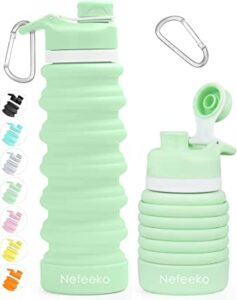
Portable water bottle
By including a portable water bottle and reusable utensils in your travel essentials, you can stay hydrated, reduce waste, and promote sustainable travel practices. These items are not only practical but also contribute to minimizing your environmental impact while exploring new destinations.
Safety and Security Must-Haves
Travel locks and security accessories
Maintaining the security of your belongings is crucial while traveling. By including travel locks and security accessories in your packing list, you can enhance the protection of your valuables and have peace of mind. Consider the following items when it comes to securing your belongings:
- TSA-approved luggage locks: Opt for TSA-approved locks for your checked luggage. These locks have a special feature that allows TSA agents to inspect your bag without damaging the lock. Look for durable locks with a combination or key mechanism that suits your preference.
- Money belt or hidden pouch: Invest in a money belt or hidden pouch that can be worn discreetly under your clothing. These accessories provide a secure place to store your passport, cash, credit cards, and other valuables, reducing the risk of theft or pickpocketing.
- RFID-blocking products: RFID-blocking accessories, such as passport holders, wallets, or card sleeves, protect your sensitive information from unauthorized scanning or skimming. These products block radio waves and prevent thieves from accessing your credit card or passport details remotely.
- Luggage tracking devices: Consider using luggage tracking devices that use GPS technology to monitor the location of your bags. These devices help you keep track of your luggage and can be particularly useful if your bag is lost or misplaced during transit.
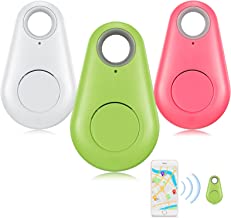
Luggage tracking devices
Remember to familiarize yourself with the security regulations and requirements of your destination to ensure compliance with local laws. By including travel locks and security accessories, you can minimize the risk of theft, protect your valuables, and enjoy a worry-free travel experience.
Money belt or travel wallet
When it comes to keeping your valuables secure while traveling, a money belt or travel wallet is a practical and effective solution. These accessories offer discreet storage for your cash, cards, passport, and other important documents. Consider the following points when choosing a money belt or travel wallet:
- Money belt: a. Design and comfort: Look for a money belt that is comfortable to wear under your clothing for extended periods. Consider adjustable straps, breathable materials, and a slim design that won’t be noticeable or cause discomfort. b. Security features: Choose a money belt with secure closures, such as a reliable buckle or a combination lock, to prevent unauthorized access to your belongings. c. Storage compartments: Opt for a money belt with multiple compartments or pockets to keep your items organized and easily accessible. Separate sections can help you keep cash, cards, and passport organized and prevent them from becoming jumbled together. d. RFID-blocking technology: Consider a money belt that includes RFID-blocking technology to protect your credit cards and passport from electronic theft or scanning.
- Travel wallet: a. Size and organization: Select a travel wallet that is compact yet spacious enough to hold your essentials. Look for multiple card slots, a dedicated passport slot, and compartments for cash, tickets, and other documents. b. Material and durability: Choose a travel wallet made of durable materials such as leather, nylon, or RFID-blocking fabric. It should be able to withstand the rigors of travel and protect your belongings from wear and tear. c. RFID-blocking technology: Ensure that the travel wallet includes RFID-blocking technology to safeguard your credit card and passport information from potential theft. d. Closure and security: Consider a travel wallet with a secure closure, such as a zipper or snap button, to keep your belongings safe and prevent accidental spillage. Consider a money belt or travel wallet that offers water-resistant or waterproof properties. This feature can protect your valuables from moisture or unexpected spills during your travels.
- Personal preference: Consider your personal preferences, travel style, and destination when choosing between a money belt and a travel wallet. Some travelers may find a money belt more suitable for added security, while others may prefer the convenience and versatility of a travel wallet.
By using a money belt or travel wallet, you can keep your valuables secure, organized, and easily accessible during your travels. Remember to wear or carry these items discreetly and avoid drawing unnecessary attention to them. Choose the option that best suits your needs and travel style, ensuring that your important documents and belongings are safe throughout your journey.
Essential Travel Gear
When traveling, choosing the right clothing and accessories can greatly enhance your comfort, versatility, and style. Here are some essential items to consider for your travel-friendly wardrobe:
Versatile clothing items:
Lightweight, wrinkle-resistant clothing: Opt for lightweight and wrinkle-resistant fabrics like linen, cotton blends, or synthetic materials that are easy to pack and maintain. Pack a mix of neutral-colored tops, bottoms, and layers that can be easily mixed and matched to create different outfits. Include versatile layering pieces like cardigans, scarves, or lightweight jackets to adapt to changing weather conditions. Consider packing quick-drying clothing, such as moisture-wicking t-shirts or convertible pants, that can easily transition from outdoor activities to casual outings.
Comfortable footwear: Choose comfortable walking shoes or sneakers that provide good support for exploring new destinations. Include a pair of sandals or flip-flops for casual and beach activities or for wearing in shared spaces like showers.
Travel accessories: Opt for travel-sized toiletries to save space and comply with carry-on liquid restrictions. Choose multipurpose products to reduce the number of items you need to pack. Consider a compact and quick-drying travel towel, especially if you plan to visit beaches, hostels, or campsites where towels may not be provided. Protect yourself from the sun with a pair of sunglasses and a hat that provide adequate shade and UV protection. Prepare for unexpected rain by packing a travel-sized umbrella or a lightweight raincoat. Use packing cubes or compression bags to keep your clothing organized, save space, and make unpacking and repacking easier.
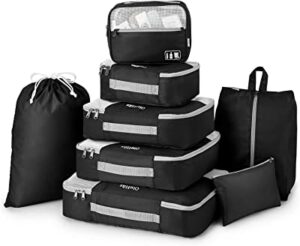
Packing cubes
Remember to consider the climate and activities of your destination when selecting your travel-friendly clothing and accessories. Aim for a balance between comfort, practicality, and style to make the most of your travel experiences. Pack items that can be easily mixed and matched, and prioritize lightweight, versatile, and quick-drying materials. By choosing travel-friendly clothing and accessories, you’ll be well-prepared to explore, stay comfortable, and adapt to various travel situations.
Travel guidebook or apps:
Consider bringing a travel guidebook or installing travel apps on your smartphone to access helpful information about your destination, including maps, local attractions, and recommendations for dining and activities.
Final Thoughts
Remember to tailor your packing list to your specific travel needs, destination, and personal preferences. The goal is to strike a balance between practicality and comfort while ensuring you have the necessary items to make your journey enjoyable and stress-free.
Before your trip, double-check that you have all the necessary travel documents and identification. Organize them in a secure travel document holder or folder that is easily accessible but also safe from loss or theft. By ensuring you have these crucial items in order, you can embark on your journey with peace of mind, knowing that you’re fully prepared for any travel-related requirements or checkpoints.
Travel Tips and Guides

Why Rental Car Hire Insurance is a Must-Have: Protecting Your Trip and Finances
Gil Farkash
Verified writer
Read More

Smart Strategies for Managing Your Holiday Spending
Gil Farkash
Verified writer
Read More
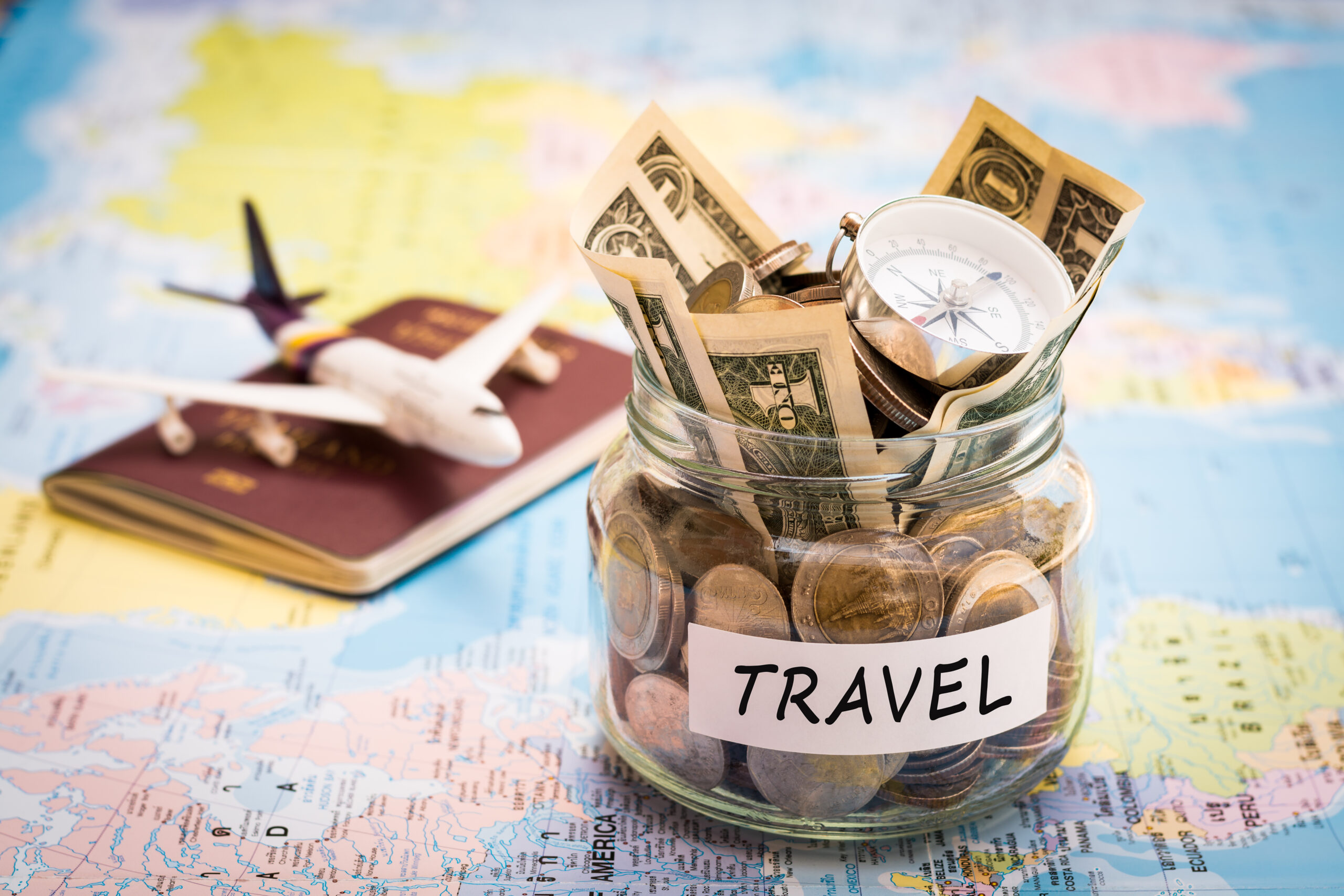
Traveling on a Budget: How to Save Money on Your Next Vacation
Gil Farkash
Verified writer
Read More
Frequently Asked Questions (FAQ)
Can I buy a plan for just one day?
Can I buy a plan for part of my rental only?
No. We provide a single journey plan. You are covered from the time you pick up the rental car up to the time you return it or on the last date written on your Certificate of Insurance, whichever comes first.
Can I buy a plan when I pick up my rental car?
No. You should purchase a policy before starting your travel.
Find the answers you’re looking for to the most frequently asked car hire insurance questions as well as other questions relating to our products and services.
