Yes. Insurance for a single day is available.

Traveling on a Budget: How to Save Money on Your Next Vacation
PUBLISHED ON May, 10 2023
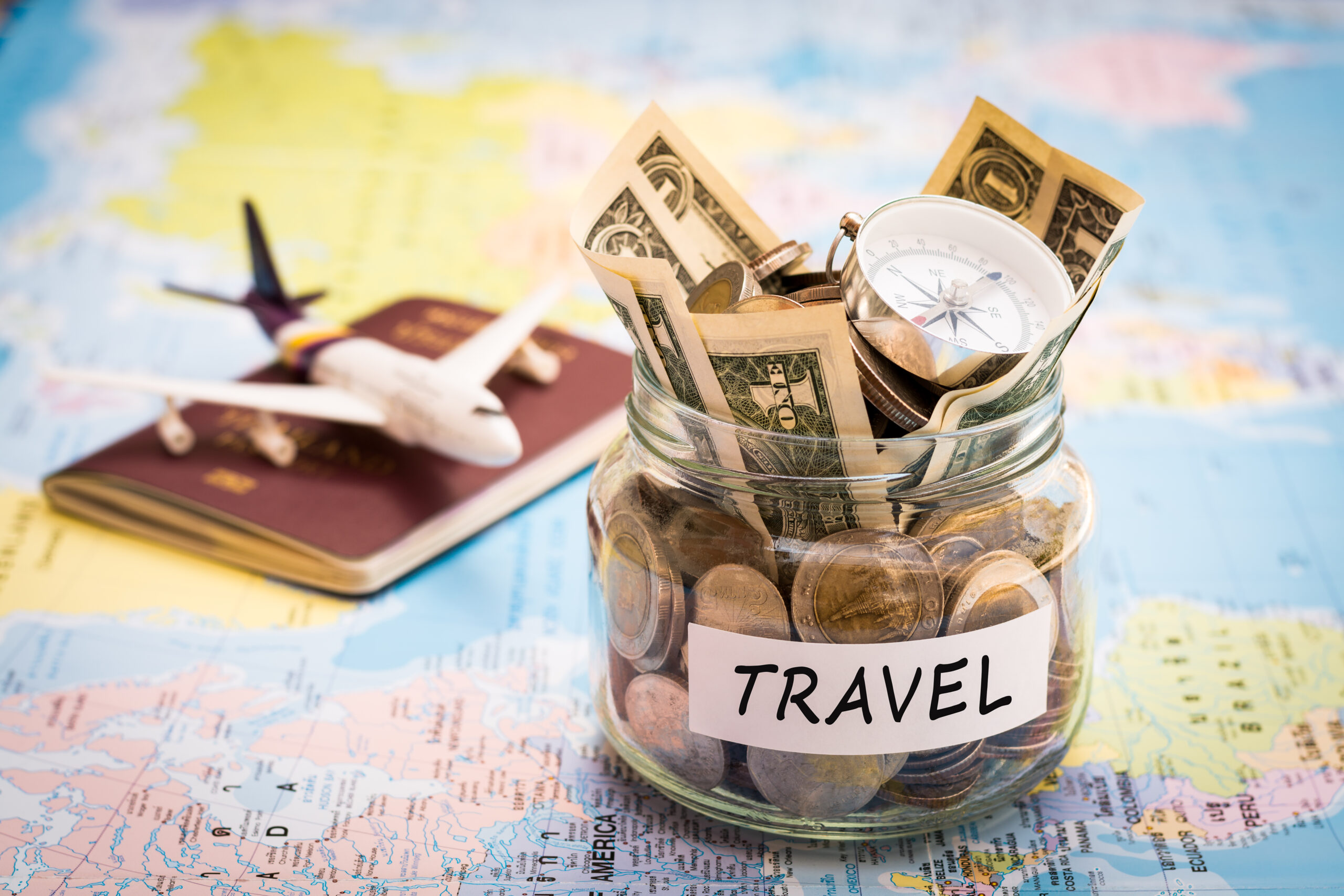
Traveling and going on vacation is a wonderful way to explore new places, create memories and recharge your batteries. However, the cost of traveling can add up quickly, making it difficult to stick to a budget. The good news is that there are many ways to save money on your next vacation without sacrificing fun or adventure. With a little bit of planning and creativity, you can enjoy all that your destination has to offer while still keeping your wallet happy. In this article, we will explore some practical tips and strategies for saving money on your next vacation, so you can make the most of your travel experience without breaking the bank.
Plan Ahead
Planning ahead is one of the most important ways to save money on your next vacation. By doing some research and booking in advance, you can often find great deals on flights, accommodation, and activities.
Here are some tips for planning ahead and saving money on your next vacation:
- Book early: The earlier you book your travel and accommodation, the more likely you are to find lower prices. Many airlines and hotels offer early bird deals and promotions, so take advantage of these opportunities to save money.
- Compare prices: Before you book anything, be sure to compare prices on different websites and platforms. Look for special deals and discounts that may not be available on the main booking sites.
- Use travel reward points: Many airlines, hotels, and credit card companies offer reward programs that allow you to earn points or miles that can be redeemed for free flights, accommodation, and other travel expenses.
- Research free activities: Before you leave, research free activities and attractions in the area you’ll be visiting. Many cities have free walking tours, public parks, and museums that you can visit without spending a dime.
By planning ahead and taking advantage of deals and promotions, you can save money on your next vacation without sacrificing fun or adventure. Be sure to compare prices, use reward points, and be flexible with your travel dates to find the best deals. With a little bit of research and preparation, you can enjoy a great vacation without breaking the bank.
Be Flexible
Being flexible is a great way to save money on your next vacation. Here are some tips for being flexible and finding the best deals:
- Travel during off-peak season: Consider traveling during the off-peak season when prices are lower and crowds are smaller. You’ll be able to save money on flights, accommodation, and activities, and you’ll have a more relaxing and peaceful vacation.
- Use a flexible date search: Many travel booking websites have a flexible date search option that allows you to compare prices across a range of dates. This can help you find the cheapest dates to travel and save money on flights and accommodation.
- Book last minute: If you’re comfortable with last-minute travel, you can often find great deals on flights and accommodation. Airlines and hotels may offer discounted rates to fill empty seats and rooms, so be sure to check for last-minute deals before you book.
- Be flexible with your destination: If you’re open to different destinations, you can often find great deals on flights and accommodation. Look for budget-friendly destinations or consider traveling to less popular destinations to save money.
- Use alternative airports: Consider flying into or out of alternative airports to save money on flights. Smaller airports may have lower fees and charges, and may offer better deals on flights.
By being flexible with your travel dates, destination, and airport choices, you can find the best deals and save money on your next vacation. Consider traveling during the off-peak season, using a flexible date search, booking last minute, and being open to different destinations to find the best deals. With a little bit of flexibility and creativity, you can enjoy a great vacation without breaking the bank.
Saving Money on Travel and Car Rental Insurance
Travel and car rental insurance is important because it provides financial protection and peace of mind while traveling. When you’re on the road or exploring a new destination, unexpected events can occur that can result in significant costs and stress.
If you are renting a car, car rental insurance is important because it provides coverage for damages or losses that may occur while driving a rental car. Without insurance, you could be held responsible for the full cost of repairs or replacement in the event of an accident or other incident. Car rental insurance can also provide coverage for theft, damage to personal belongings, and liability in the event of an accident.
CarInsuRent car hire excess insurance starts from as low as $6.49 per day* to $94.90 for an annual policy. Our policies covers the excess on damage and theft up to €2,500 and provide full protection that Includes single vehicle damage, roof and undercarriage damage, auto glass and widescreen damage, towing expenses, misfuelling, loss of car key and tire damage. We cover multiple drivers between the ages of 21 and 84 years.
See How Much You Can Save on Your Car Rental Insurance
Get StartedPack Smart
Packing smart can help you save money and avoid extra expenses on your next vacation. Here are some tips for packing smart and traveling light:
- Pack only what you need: Be realistic about what you will actually use on your trip and pack accordingly. Avoid overpacking by making a list of essentials and sticking to it.
- Bring a carry-on bag: If possible, bring a carry-on bag instead of checking luggage. This can save you money on baggage fees and reduce the risk of lost or delayed luggage.
- Check the weather forecast: Check the weather forecast before you leave and pack accordingly. Avoid bringing bulky items or unnecessary clothing that will take up space in your luggage.
- Bring snacks and drinks: Bring snacks and drinks with you to avoid buying expensive food and beverages at the airport or on the road. Pack non-perishable items such as granola bars, trail mix, and water bottles.
- Pack travel-sized toiletries: Bring travel-sized toiletries to avoid buying expensive products at your destination. Many hotels and vacation rentals provide basic toiletries, so you may not need to bring everything with you.
By packing smart and traveling light, you can save money and avoid extra expenses on your next vacation. Be realistic about what you will actually use and pack accordingly. Bring a carry-on bag, check the weather forecast, and bring snacks and travel-sized toiletries to avoid buying expensive products on the go. With a little bit of planning and organization, you can enjoy a stress-free and cost-effective vacation.
Use Public Transportation
Using public transportation can help you save money and reduce transportation costs on your next vacation. Here are some tips for using public transportation to get around:
- Research transportation options: Before you leave, research the public transportation options available in your destination. Look for information on buses, trains, subways, and other modes of transportation.
- Purchase a transportation pass: Many cities offer daily or weekly transportation passes that allow you to use public transportation as much as you want. These passes are often cheaper than buying individual tickets, and can save you money in the long run.
- Use bike rentals: Many cities offer bike rental services that allow you to explore the area on two wheels. This is a fun and cost-effective way to get around, and it allows you to avoid the cost of renting a car or taking a taxi.
- Walk: If your destination is within walking distance, consider walking instead of taking public transportation. This can save you money and give you the chance to explore the area on foot.
- Use ride-sharing apps: If you need to take a taxi or car service, consider using ride-sharing apps like Uber or Lyft. These services are often cheaper than traditional taxis, and they allow you to split the cost with other travelers.
By using public transportation, bike rentals, and walking, you can save money on transportation costs and reduce your carbon footprint. Research transportation options, purchase a transportation pass, and use ride-sharing apps to save money on taxis and car services. With a little bit of planning and flexibility, you can explore your destination on a budget and enjoy a more authentic travel experience.
Eat Like a Local
Eating like a local is a great way to save money and experience the local cuisine on your next vacation. Here are some tips for finding affordable and delicious local food:
- Avoid tourist traps: Restaurants and cafes located in tourist areas are often more expensive and may not offer the best quality food. Look for restaurants and cafes that are popular with locals, as these are likely to offer authentic and affordable food.
- Look for street food: Street food vendors are a great option for trying local cuisine at a fraction of the cost of a restaurant. Look for busy vendors with long lines, as this is a good indication of quality and popularity.
- Visit local markets: Many cities have local markets that offer a variety of fresh produce, meats, and prepared foods. These markets are a great place to try local specialties and stock up on affordable snacks and meals.
- Ask locals for recommendations: Ask locals, such as hotel staff or taxi drivers, for recommendations on where to eat. They are likely to know the best places to find affordable and delicious local food.
- Learn basic phrases: Learning a few basic phrases in the local language, such as “hello,” “please,” and “thank you,” can go a long way in establishing a friendly relationship with locals and finding the best local food options.
By eating like a local, you can save money and enjoy the best local cuisine. Look for affordable street food and local markets, and ask locals for recommendations. Learn a few basic phrases in the local language to establish a friendly relationship with locals and enhance your dining experience. With a little bit of curiosity and adventure, you can enjoy a wide variety of delicious local food while staying within your budget.
Take Advantage of Free Activities
Taking advantage of free activities is a great way to save money and experience the local culture on your next vacation. Here are some tips for finding free activities and attractions:
- Check local websites: Many cities have websites that list free events and activities. Look for events such as concerts, festivals, and outdoor markets.
- Visit parks and museums: Parks and museums are often free or have a small entrance fee. They offer a great opportunity to learn about local culture and history.
- Explore on foot: Walking around and exploring your destination on foot is a great way to experience the local culture and see the sights. Many cities offer free walking tours or self-guided tours that you can do on your own.
- Attend free events: Look for free events such as outdoor concerts, film screenings, and art shows. These events are often held in public spaces and are free for everyone to attend.
- Take advantage of hotel amenities: Many hotels offer free amenities such as swimming pools, fitness centers, and bike rentals. Take advantage of these amenities to save money and stay active during your trip.
By taking advantage of free activities and attractions, you can save money and experience the local culture on your next vacation. Look for free events and activities, visit parks and museums, explore on foot, attend free events, and take advantage of hotel amenities. With a little bit of planning and creativity, you can enjoy a great vacation without breaking the bank.
Final Thoughts
In conclusion, there are many ways to save money on your next vacation without sacrificing fun or adventure. By planning ahead, being flexible, packing smart, using public transportation, eating like a local, and taking advantage of free activities, you can enjoy all that your destination has to offer while still keeping your wallet happy. Whether you’re traveling on a budget or simply looking to save money, these tips and strategies can help you make the most of your travel experience without breaking the bank. Remember to do your research, be open to new experiences, and have fun exploring your destination on a budget. With a little bit of planning and creativity, you can enjoy a memorable vacation without spending a fortune.
Travel Tips and Guides
Why Rental Car Hire Insurance is a Must-Have: Protecting Your Trip and Finances
Gil Farkash
Verified writer
Read More

Smart Strategies for Managing Your Holiday Spending
Gil Farkash
Verified writer
Read More
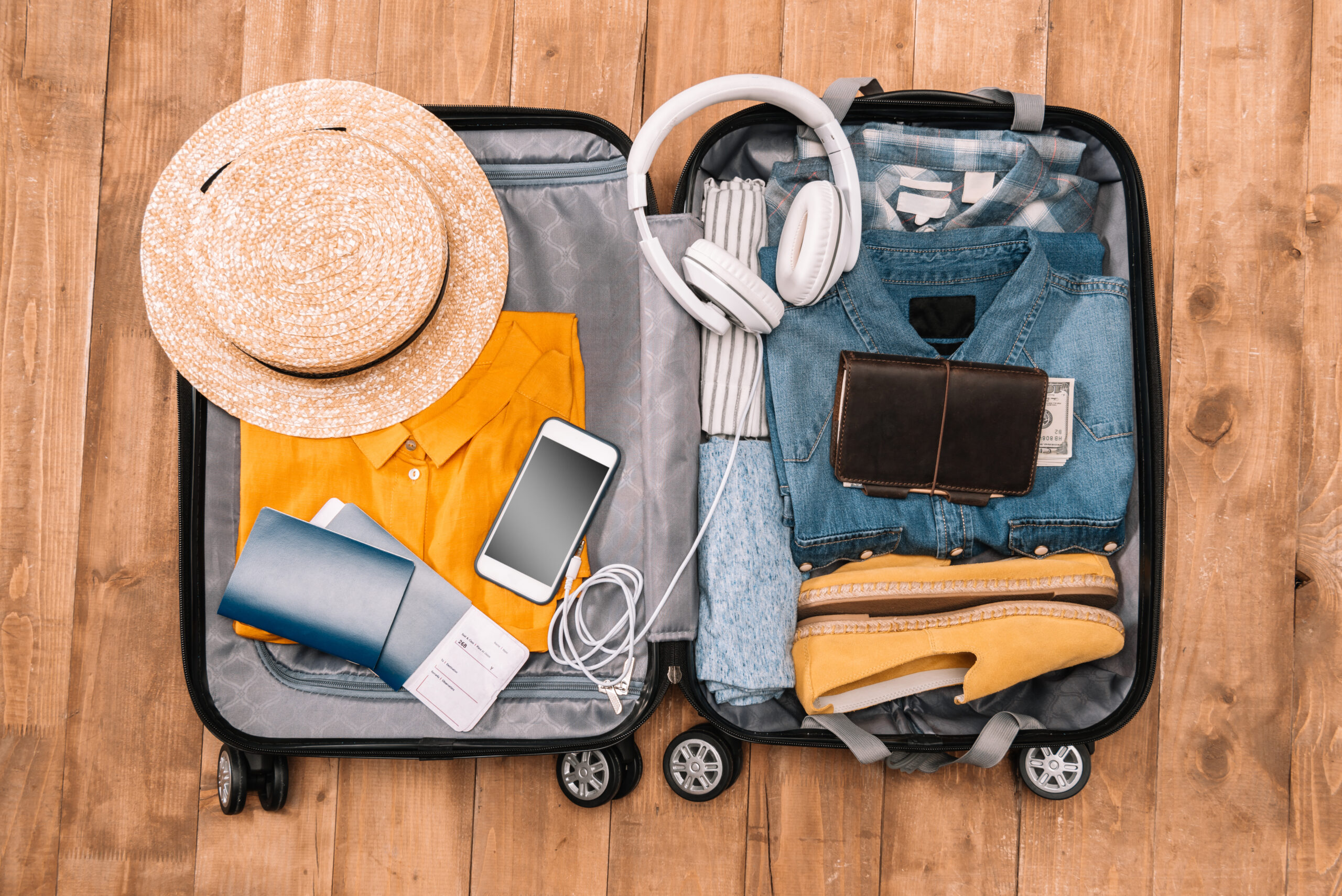
Travel Essentials Unveiled: Your Ultimate Guide to Travel Must-Haves for Seamless Journeys
Gil Farkash
Verified writer
Read More
Frequently Asked Questions (FAQ)
Can I buy a plan for just one day?
Can I buy a plan for part of my rental only?
No. We provide a single journey plan. You are covered from the time you pick up the rental car up to the time you return it or on the last date written on your Certificate of Insurance, whichever comes first.
Can I buy a plan when I pick up my rental car?
No. You should purchase a policy before starting your travel.
Find the answers you’re looking for to the most frequently asked car hire insurance questions as well as other questions relating to our products and services.
