Yes. Insurance for a single day is available.

What Am I Forgetting to Pack – 14 Things that People Forget to Pack
PUBLISHED ON May, 09 2023
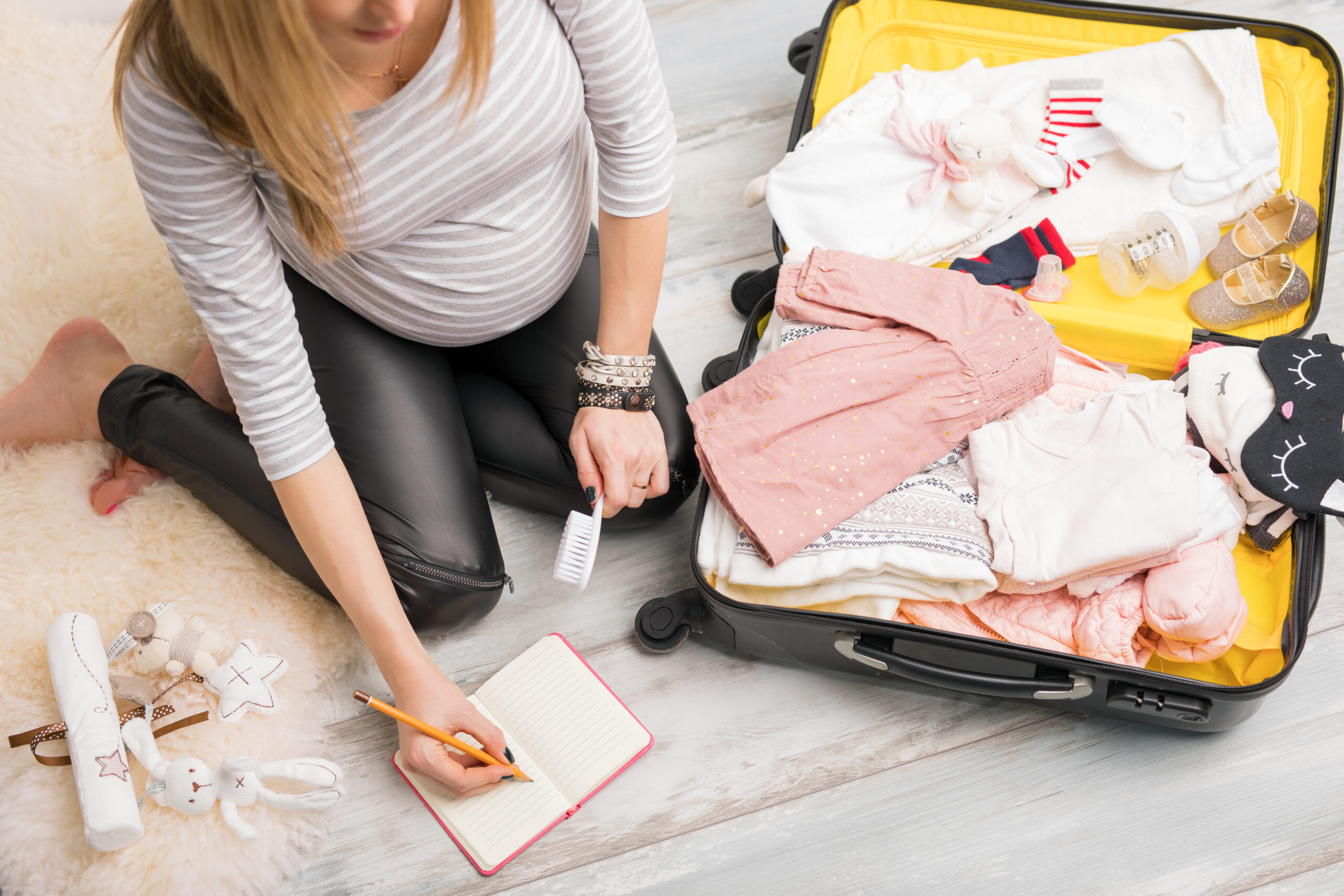
Packing for a trip can be a stressful task, and it’s common to forget to pack essential items. Whether it’s a toothbrush or a travel adapter, forgetting important items can put a damper on your trip. That’s why it’s important to have a checklist to ensure you have everything you need before you leave. In this article, we’ll explore 11 commonly forgotten items that can help make your trip more enjoyable. From personal items to travel accessories, clothing, and miscellaneous items, we’ll cover everything you need to make sure you’re well-prepared for your trip. By following this checklist, you can relax and enjoy your trip without worrying about the things you’ve left behind.
Personal Items
Personal items are essential for any trip, but they’re also some of the easiest items to forget to pack. These items are often so routine in our daily lives that we forget to double-check that we’ve packed them before we leave. Here are some personal items that you should consider bringing with you:
- Toothbrush and toothpaste: A toothbrush and toothpaste are must-haves for any trip, no matter how long or short. Make sure to pack them in your carry-on if you’re flying.
- Contact lenses or glasses: If you wear contact lenses or glasses, make sure to pack them in a protective case. Consider bringing a spare pair in case you lose or break your main pair.
- Medications: Prescription medications, over-the-counter medications, and vitamins should all be included in your packing list. Make sure to bring enough for the duration of your trip, plus a few extra days just in case.
By bringing these personal items with you, you’ll be able to maintain your normal routine while on the road and ensure that you’re always comfortable and prepared.
Travel Accessories
Travel accessories can make your trip more comfortable and convenient, but they’re also easy to forget to pack. Here are some travel accessories to consider bringing with you:
- Travel adapter and chargers: Make sure to pack a travel adapter and chargers for all of your electronic devices, including your phone, tablet, and camera. This will ensure that you can stay connected and powered up throughout your trip.
- Earplugs and eye mask: If you’re sensitive to noise or light, earplugs and an eye mask can help you get a better night’s sleep and feel more rested.
- Portable power bank: A portable power bank can be a lifesaver if your phone battery dies while you’re out and about. Make sure to pack one that’s compatible with your devices and has enough power to last you through the day.
By bringing these travel accessories with you, you’ll be able to stay comfortable and connected throughout your trip. Don’t forget to pack them in a separate bag or pouch so that they’re easy to access when you need them.
Clothing and Accessories
Packing the right clothing and accessories is essential for any trip, but it’s also easy to forget to pack the essentials. Here are some clothing and accessories to consider bringing with you:
- Comfortable walking shoes: Make sure to pack comfortable shoes for exploring new destinations on foot. Look for shoes with good arch support and cushioning.
- Rain gear: Don’t let unexpected rain showers ruin your trip. Pack a rain jacket or umbrella to stay dry.
- Swimsuit: If you’re traveling to a destination with a beach or pool, don’t forget to pack your swimsuit.
- Warm layers for cooler weather: Even if you’re traveling to a warm destination, it’s always a good idea to pack a light jacket or sweater in case the temperature drops.
By packing these clothing and accessories, you’ll be able to stay comfortable and prepared for any situation during your trip. Don’t forget to pack clothes that are appropriate for the destination and any planned activities. You can also consider packing versatile items that can be dressed up or down to save space in your luggage.
Miscellaneous Items
In addition to personal items, travel accessories, and clothing and accessories, there are a few more items that can make your trip more comfortable and convenient. Here are some additional items to consider bringing with you:
- Insurance: Print out your insurance paperwork before you go, and save it alongside your passport and boarding passes. Additionally, store electronic copies so you can readily find them on your phone or in your internet favorites. All mandatory travel insurance, including car rental insurance, falls under this category.
- Reusable water bottle: Staying hydrated is important during any trip, and a reusable water bottle can help you do just that. Look for a water bottle that’s lightweight and durable, and can be easily refilled on the go.
- Travel pillow: A travel pillow can help you get some rest during long flights or car rides. Look for a pillow that’s compact and easy to pack, but still provides good support for your head and neck.
- Lightweight daypack for excursions and sightseeing: If you’re planning to do a lot of exploring or sightseeing, a lightweight daypack can come in handy. Look for a pack that’s comfortable to wear, has enough space for essentials like a water bottle and sunscreen, and can be easily packed when not in use.
See How Much You Can Save on Your Car Rental Insurance
By packing these items, you’ll be able to stay comfortable and prepared throughout your trip, no matter where your adventures take you. Don’t forget to pack these items in your carry-on bag or daypack so that they’re easily accessible when you need them.
Final Tips for Successful Packing and an Enjoyable Trip:
-
- rt packing early: Don’t wait until the last minute to start packing. Give yourself plenty of time to make a list, gather your items, and pack everything up.
- Roll your clothes: Rolling your clothes instead of folding them can help you save space in your luggage and prevent wrinkles.
- Use packing cubes: Packing cubes can help you stay organized and make it easier to find what you need in your luggage.
- Consider the climate and culture: Pack clothes that are appropriate for the climate and culture of your destination. This can help you blend in and feel more comfortable during your trip.
- Pack a first aid kit: It’s always a good idea to pack a small first aid kit with band-aids, pain relievers, and other basic supplies.
- Don’t overpack: It can be tempting to pack everything you might need, but try to resist the urge to overpack. Stick to the essentials and leave some room for souvenirs or other items you might pick up during your trip.
- Have fun: Remember that the most important thing is to have fun and enjoy your trip. Don’t stress too much about packing or forget to take time to relax and enjoy your surroundings.
By following these tips, you’ll be able to pack efficiently and enjoy your trip to the fullest. Safe travels!
Travel Tips and Guides

Why Rental Car Hire Insurance is a Must-Have: Protecting Your Trip and Finances
Gil Farkash
Verified writer
Read More

Smart Strategies for Managing Your Holiday Spending
Gil Farkash
Verified writer
Read More
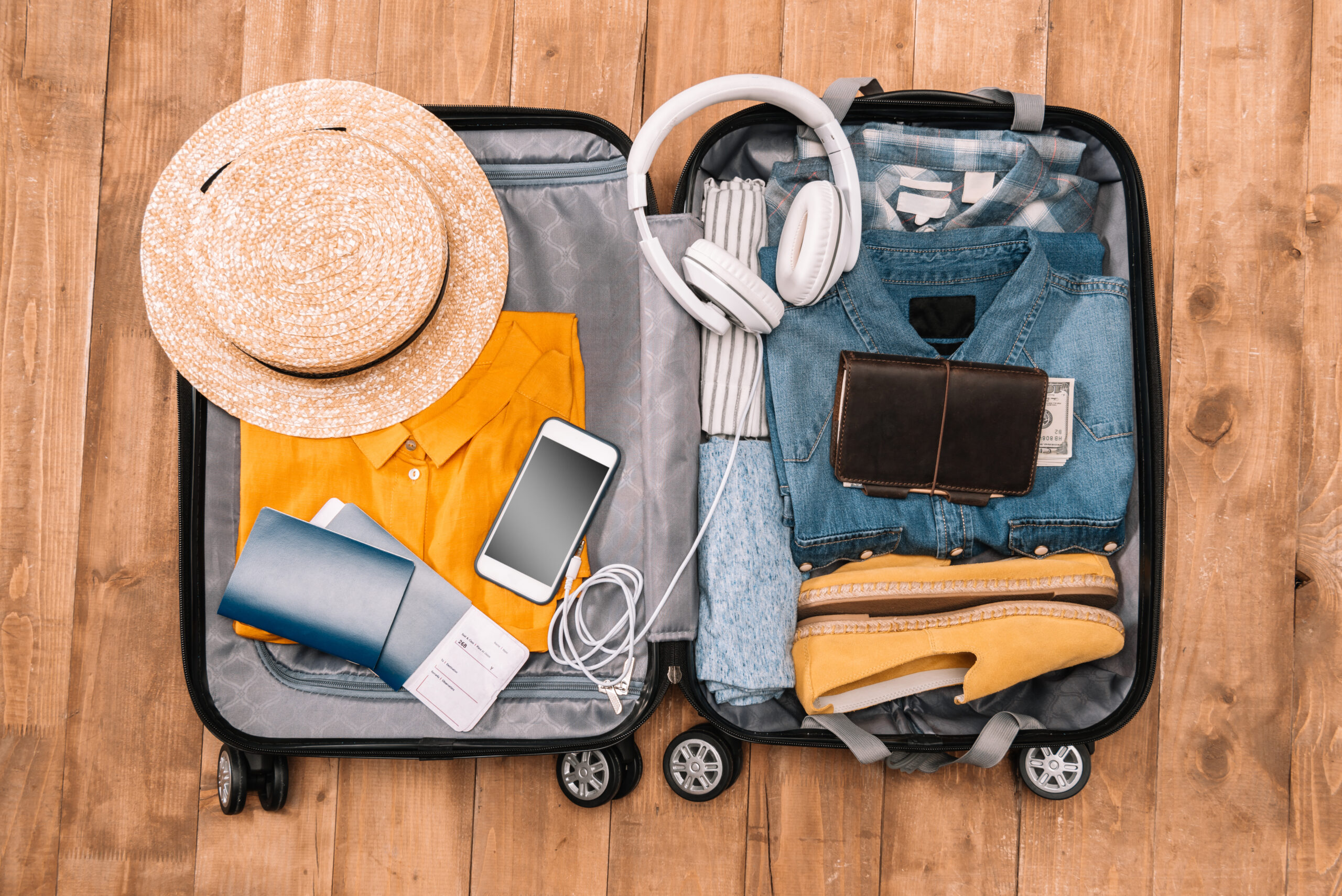
Travel Essentials Unveiled: Your Ultimate Guide to Travel Must-Haves for Seamless Journeys
Gil Farkash
Verified writer
Read More
Frequently Asked Questions (FAQ)
Can I buy a plan for just one day?
Can I buy a plan for part of my rental only?
No. We provide a single journey plan. You are covered from the time you pick up the rental car up to the time you return it or on the last date written on your Certificate of Insurance, whichever comes first.
Can I buy a plan when I pick up my rental car?
No. You should purchase a policy before starting your travel.
Find the answers you’re looking for to the most frequently asked car hire insurance questions as well as other questions relating to our products and services.
